The Benefits of Trusted General Dentistry for Families
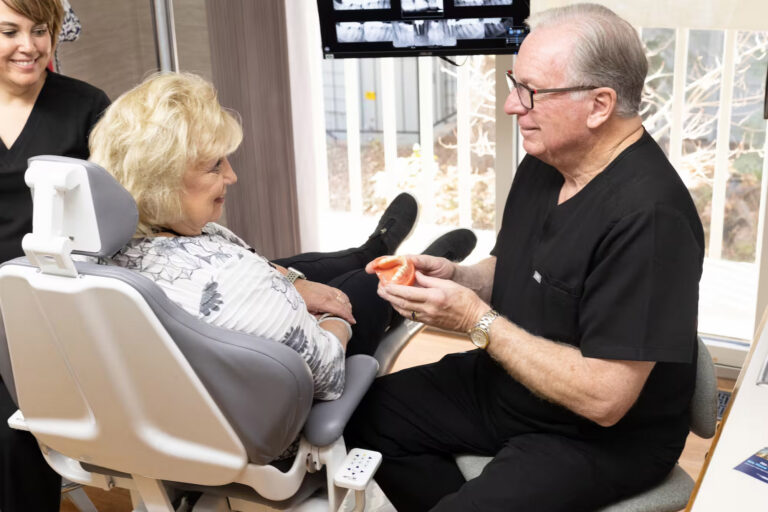
Families rarely think about dentistry as a long game until they have lived through a few dental surprises. A toddler chips a front tooth on the coffee table. A school-aged child suddenly needs sealants and extra help with brushing. A parent ignores sensitivity for months, then ends up needing a crown. A grandparent moves in and brings a complicated medication list that affects oral health in ways nobody expected. At that point, dental care stops feeling like a set of isolated appointments and starts looking more like an ongoing relationship.
That is where trusted general dentistry earns its place. For families, the real benefit is not just access to cleanings, fillings, and exams. It is the stability that comes from having a dental team that knows your history, understands your concerns, and can spot patterns before they become expensive or painful problems. Good General Dentistry works best when it is consistent, personal, and grounded in prevention.
In communities where families are balancing work, school schedules, sports, and aging relatives, that kind of trust matters even more. Whether someone is searching for General Dentistry Aurora services or simply looking for a dependable family dentist close to home, the same principle applies. Reliable care saves time, reduces stress, and improves outcomes over the years.
Why trust changes the dental experience
Trust has a practical value in dentistry. People often talk about it in emotional terms, and that is fair, but it also affects what happens in the chair. When patients trust their dentist, they are more likely to describe symptoms early, ask direct questions, and follow through with treatment. That means small concerns get addressed while they are still small.
I have seen this play out with families who stay with one practice for years. A parent mentions that a child has started breathing through the mouth at night. A dentist who knows the child’s bite and growth pattern may notice changes in the palate or signs of dry mouth much earlier than a new provider would. A teenager who is normally relaxed may suddenly seem hesitant during an exam, which can prompt a conversation about pain, clenching, or even stress-related habits. None of that happens as easily when care is fragmented.
Trust also lowers the temperature in the room. Many people carry some level of dental anxiety, even if they do not call it that. They delay visits, minimize symptoms, or brace for criticism about flossing. A trusted general dentist knows how to keep the conversation useful rather than shaming. That can make the difference between a family that stays on schedule and one that only comes in when something hurts.
One dental home, many stages of life
One of the strongest arguments for family-centered general dentistry is continuity. Teeth do not exist in isolation from age, habits, medical history, pregnancy, medications, diet, or dexterity. A good general dentist sees how those pieces interact across decades.
A young child’s visits are about more than counting teeth and checking for cavities. They are often the first structured lessons in oral hygiene, sugar exposure, fluoride use, and comfort with healthcare settings. The best early appointments are calm, brief when needed, and focused on building familiarity. If a child learns that the dental office is predictable and safe, the next ten years usually go more smoothly.
School-aged children bring different issues. This is often the stage when crowding starts to show, sports mouthguards become relevant, and brushing quality becomes more variable because kids want independence before they have the consistency to manage it well. Families benefit when the same dental team can say, with credibility, “We have seen this before, and here is what tends to help.”
Teenagers add another layer. Orthodontic concerns, sports injuries, energy drinks, whitening questions, and occasional lapses in oral hygiene all become part of the picture. This is also the age when some patients stop volunteering information unless they are specifically asked. A dentist who has known the family for years can often communicate more effectively because rapport already exists.
Adults tend to postpone their own care while managing everyone else’s appointments. That is common, and it usually shows up as cracked fillings, gum inflammation, grinding, recession, or untreated decay that started as minor sensitivity. Parents are often surprised to learn that their stress habits are visible in their teeth. A trusted provider will address that without drama and help prioritize what needs attention now versus what can be monitored.
Older adults face another set of realities. Dry mouth related to medications, root decay, reduced dexterity, changes in diet, and the maintenance of crowns, bridges, implants, or dentures all require attentive oversight. If an aging parent joins a household, having one practice that can coordinate care for multiple generations becomes genuinely useful.
Prevention is where families save the most
The biggest financial and clinical benefit of trusted General Dentistry is prevention. Not glamorous prevention, either. The ordinary kind. Regular exams, thorough cleanings, bite checks, X-rays at sensible intervals, fluoride when indicated, conversations about brushing technique, and early treatment of minor issues. Those basics are what keep family dental budgets from getting derailed.
Most dental disease progresses quietly. A cavity may not hurt until it reaches a deeper layer of the tooth. Gum disease can advance with very little pain. A cracked tooth can produce vague symptoms for months before it breaks in a way that forces urgent treatment. Families who keep regular appointments are more likely to catch these changes when the fix is simpler.
There is also a cumulative benefit to repeated observation. A dentist who has seen your mouth over time can compare what is stable with what is changing. That historical view matters. One isolated exam might show mild wear. Five years of records might show accelerating wear from nighttime grinding. One image might show a watch area. A sequence of images can reveal whether that area is inactive or progressing.
The practical advantages often look like this:
- Fewer dental emergencies that disrupt school and work
- More opportunities to treat problems with smaller, less invasive procedures
- Better long-term planning for fillings, crowns, and orthodontic referrals
- Lower likelihood of pain-driven decisions made under pressure
- More accurate advice because the dentist knows the family’s patterns and history
None of this guarantees a problem-free experience. Genetics, accidents, health conditions, and plain bad luck still play a role. But steady preventive care shifts the odds in a family’s favor.
Children notice more than adults think
Parents often focus on logistics, getting everyone scheduled, remembering forms, making it through the waiting room. Children focus on tone. They notice whether the receptionist recognizes them, whether the hygienist speaks calmly, whether the dentist explains what is happening before instruments appear. Those details shape a child’s long-term relationship with dental care.
A trusted family practice learns how each child responds. One child may like step-by-step explanations. Another does better with less buildup and a brisk pace. Some need time to touch the toothbrush or mirror before the exam starts. Others are reassured when a parent stays nearby. This is not coddling. It is skilled patient management, and Aurora dental clinic it can prevent years of avoidant behavior later.
I have seen the difference between a child who feels managed and a child who feels understood. The first may cooperate for a visit but dread the next one. The second builds confidence. That confidence often carries into adolescence, when consistency becomes harder to maintain for different reasons.
The benefit extends to parents as well. When a dental team communicates clearly about baby teeth, eruption patterns, thumb-sucking, sealants, fluoride, and trauma, families make better decisions with less panic. A trusted provider can tell the difference between a situation that needs immediate care and one that can be watched, which spares many unnecessary after-hours worries.
Better care planning, not just more treatment
A common misconception is that a “good” dental practice is one that recommends a lot. Families should be careful with that assumption. Strong general dentistry is not about generating procedures. It is about judgment. Sometimes the right call is to treat now. Sometimes it is to monitor. Sometimes it is to refer. Sometimes it is to change a daily habit and reevaluate later.
That kind of judgment is easier when trust and history are in place. For example, an adult with a tiny chip on a front tooth may not need immediate cosmetic work if the edges are smooth and the bite is stable. A different patient with heavy clenching and repeated fractures might benefit from restoring the tooth and discussing a night guard sooner rather than later. The same surface issue can mean very different things depending on context.
Families benefit when the dentist explains trade-offs plainly. A filling may solve decay but have a finite lifespan. A crown may offer better protection but require more tooth structure to be reshaped. Pulling a tooth can relieve a difficult problem, yet losing it may shift bite function or create future restorative needs. Honest dentistry does not hide these realities. It walks families through them.
This is one reason continuity matters. A trusted dentist can help a family pace treatment sensibly. Not every issue must be addressed at once, and not every delay is wise. Knowing how to separate urgent needs from elective improvements is part of professional judgment, and it is especially valuable for households managing a budget.
Convenience is not a small benefit
People sometimes talk about convenience as if it were superficial, but for families it directly affects whether care happens at all. A practice that can coordinate multiple appointments, keep records in one place, and understand the rhythms of a household removes a lot of friction.
Consider a common scenario. One child is due for a cleaning, another needs a filling, one parent wants an exam after months of sensitivity, and the other has been putting off replacing an old crown. If those services can be handled by one dependable office that knows the family, scheduling becomes manageable. If everyone sees different providers with different systems and recommendations, delays pile up quickly.
Convenience also supports follow-through. It is easier to accept a treatment plan when the office can explain the timeline, estimate visits realistically, and work around school or work obligations. Families do not need perfection. They need predictability.
This matters in growing suburbs and busy local communities, where many households look for General Dentistry Aurora providers who can serve children and adults without making dental care feel like a second job. Location alone is not enough, but location paired with trust and organization can make a significant difference.
Oral health connects to overall health more than many families realize
A family dentist is not a substitute for a physician, but oral health often reflects broader health issues. Bleeding gums, chronic dry mouth, enamel erosion, jaw pain, recurrent infections, and changes in the tissues of the mouth can all point to something bigger than a brushing problem.
Pregnancy is a good example. Hormonal shifts can affect the gums, and nausea can complicate oral care. Diabetes is another. Blood sugar control and gum health influence each other in ways that matter over time. Certain medications reduce saliva, which raises the risk of decay. Sleep issues can show up as grinding, tooth wear, or a scalloped tongue. Eating disorders, acid reflux, and autoimmune conditions may leave oral signs before a patient has connected the dots elsewhere.
A trusted general dentist does not diagnose every underlying issue, but they often notice when something is off and recommend the right next step. That is a meaningful service to families, especially when patterns emerge gradually.
What families should look for in a general dentist
Trust does not come from marketing language. It comes from repeated, competent experiences. Families trying to choose a dental home should pay attention to practical signals.
- Clear explanations that do not feel rushed or condescending
- Consistency in preventive care and recall recommendations
- Willingness to discuss options, costs, and timing honestly
- Comfort treating both routine needs and age-specific concerns
- A team culture that is calm, organized, and respectful
That last point is easy to underestimate. Families spend time with the entire office, not just the dentist. Front desk communication, hygiene appointments, billing clarity, and how the team handles nervous patients all influence whether a practice truly feels dependable.
It is also reasonable to notice whether a dentist is too quick to recommend treatment or too passive when action is needed. Good care lives in the middle. If every tiny stain becomes an urgent filling, families may end up overtreating. If clear warning signs are repeatedly watched without a plan, families may pay more later. Judgment matters more than salesmanship.
Emergencies are easier when the relationship already exists
No family escapes dental surprises forever. A filling falls out on a Friday. A child takes an elbow to the mouth at basketball practice. A parent wakes up with swelling and throbbing pain before an important work trip. These are stressful moments, and they are much easier to handle when the office already knows you.
An established dentist has records, prior images, and baseline knowledge. They know whether the painful tooth had a large old filling, whether the child’s front tooth was previously injured, whether the patient tends to grind, whether there are medication or allergy considerations. That shortens decision-making and often improves the immediate response.
There is also a psychological benefit. When people are in pain, they do not want to start from scratch, retell years of history, and wonder whether they are being overtreated in a moment of vulnerability. Familiarity brings steadiness. Even when a specialist referral is needed, a trusted general dentist can help frame the urgency and coordinate the next step.
The quieter benefits add up over time
Some of the biggest gains from trusted General Dentistry are not dramatic enough to make for a memorable story. They are the slow, compounding benefits that make a family’s life easier and healthier over the years.
Children learn that healthcare can be routine rather than frightening. Teens carry fewer untreated problems into adulthood. Parents stop normalizing sensitivity or chewing on one side. Grandparents maintain function and comfort longer. The family spends less time reacting and more time staying ahead of issues.
There is also an educational effect. Families who see the same dental team year after year tend to absorb good habits almost by accident. They become more accurate about when a symptom matters, more realistic about sugar and snacking, and more aware of how home care changes with braces, dry mouth, or aging gums. That practical knowledge reduces unnecessary worry and encourages timely action when action is needed.
None of this requires a perfect family. In real life, people miss flossing, postpone appointments, crack teeth on popcorn kernels, and forget to wear night guards. A good general dentist understands that. The goal is not flawless compliance. It is a stable partnership that keeps small problems from becoming large ones.
A relationship worth keeping
When families find a dentist they trust, they tend to stay put, and usually for good reason. The value goes well beyond clean teeth. Trusted general dentistry offers continuity, prevention, practical guidance, better emergency support, and care that adapts as a household changes. It helps children feel safe, adults make smarter treatment decisions, and older relatives maintain oral health with dignity and realism.
That is why choosing a family dentist deserves more thought than many people give it. Technical skill matters, of course. So do location, scheduling, and insurance compatibility. But trust is what turns routine dental care into a long-term asset. It is what makes people show up before pain forces them to. It is what allows honest conversations about habits, costs, risks, and priorities. And for families, that kind of steady, competent relationship is often the difference between staying on top of oral health and constantly trying to catch up.
Aspenwood Dental Associates and Colorado Dental Implant Center
Address: 2900 S Peoria St Ste C, Aurora, CO 80014
Phone number: +13037314037
FAQ About General Dentistry Aurora
What is meant by general dentistry?
General dentistry refers to the primary, foundational tier of oral healthcare, focused on the prevention, diagnosis, and treatment of conditions affecting the teeth, gums, and jaw. General dentists serve as a patient's main, long-term dental care provider—much like a primary care physician.
What is general dentistry and orthodontics?
General dentistry and orthodontics are two specialized branches of dental care. General dentistry serves as your primary care for overall oral health, focusing on routine cleanings, fillings, and disease prevention. Orthodontics is a specialized field focused entirely on diagnosing and correcting misaligned teeth and jaw structures using braces or clear aligners.
What are type 3 dental services?
Type 3 dental services typically include major restorative treatments that repair or replace damaged or missing teeth. These services are more complex and costly than preventive or basic dental care. Common examples of type 3 dental services include: Dental crowns.