General Dentistry Aurora: Your First Step Toward Better Oral Health
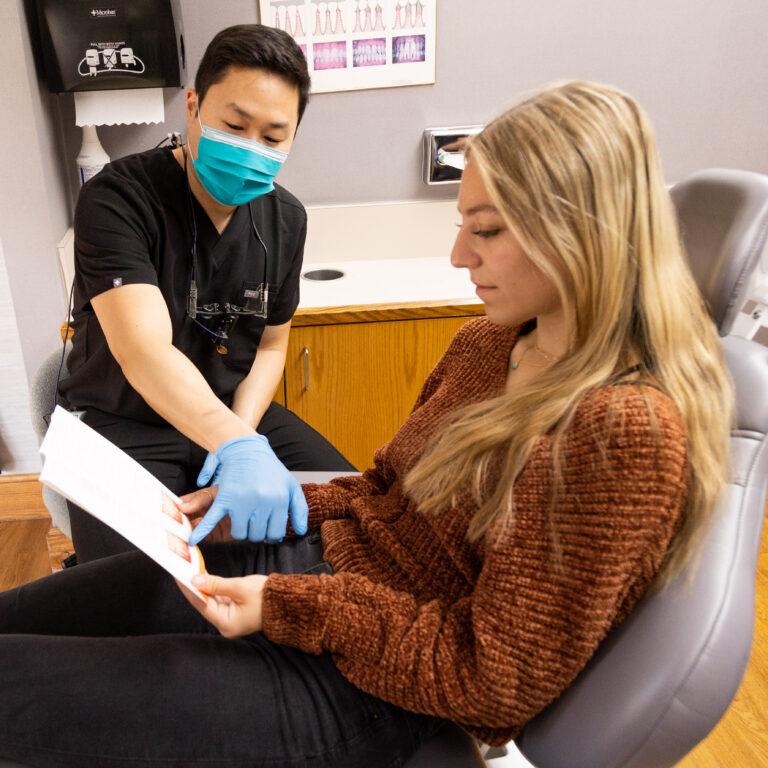

Good oral health rarely comes from one dramatic fix. More often, it comes from consistent care, early attention, and a dental team that knows how to spot small problems before they turn into painful, expensive ones. That is where general dentistry earns its value. For families, working professionals, children, and older adults alike, general dental care forms the baseline for a healthy mouth and, in many cases, a healthier life overall.
When people search for General Dentistry Aurora, they are often looking for something practical. They want a place to schedule a routine exam, address a toothache, get a filling, ask questions about gum health, or bring in a child for a first visit. Some are nervous because they have delayed treatment. Others simply want a trustworthy dentist who can guide them year after year. Both situations are common, and both deserve thoughtful care.
General Dentistry is sometimes described as basic care, but that label can be misleading. There is nothing minor about detecting early gum disease, catching a cracked tooth before it breaks, noticing signs of grinding, or recognizing when dry mouth is putting someone at greater risk for decay. Those routine appointments often reveal patterns a patient cannot see at home. A skilled general dentist is not just cleaning teeth and checking boxes. They are reading the whole picture.
What general dentistry really covers
At its core, general dentistry focuses on prevention, diagnosis, and treatment of the most common oral health needs. That includes regular exams, professional cleanings, digital X-rays when appropriate, fillings, sealants, gum health assessments, and guidance on habits that affect teeth over time. It also often includes crowns, bridges, night guards, and treatment planning when a patient needs more advanced care.
Most people interact with dentistry through this branch of care, and for good reason. It is the front line. If a child’s molars are showing early decay, a general dentist may catch it during a six-month checkup. If an adult has occasional bleeding while brushing, that same visit may uncover gingivitis before it progresses into more serious periodontal disease. If someone has been waking with jaw tension and headaches, an exam may reveal signs of clenching that have been quietly wearing down enamel for years.
A routine visit can also uncover issues that do not hurt yet. That point matters more than many people realize. Cavities do not always announce themselves early. Gum disease can progress with very little discomfort. Even a failing filling may only show subtle symptoms at first, perhaps a spot where floss keeps shredding, or mild sensitivity when drinking something cold. Patients often tell themselves they can wait because nothing feels urgent. In practice, waiting is what allows a simple repair to become a root canal, crown, or extraction.
Why Aurora patients often benefit from a preventive approach
Every community has its own patterns. In Aurora, as in many growing areas, people are balancing work, school schedules, commuting, and family responsibilities. Dental care often gets pushed aside until a problem demands attention. The challenge with that approach is simple: pain tends to arrive late, after damage has already progressed.
Preventive care is not glamorous, but it works. A well-timed cleaning removes hardened buildup that brushing cannot touch. An exam can identify inflamed gums, weak spots around old restorations, or changes in bite alignment. Preventive visits are usually shorter, less invasive, and more affordable than treatment for advanced disease. They also help establish a relationship with a dental office before an emergency happens. That relationship matters when someone chips a front tooth before a wedding, develops swelling over a weekend, or needs urgent guidance after a crown comes loose.
For parents, preventive care has another benefit. Children who grow up attending regular dental visits tend to normalize them. They learn that a dental office is not a place reserved for pain. That shift in mindset can last into adulthood. It is easier to maintain oral health when dental care feels routine rather than threatening.
The first appointment, what to expect and why it matters
Many people put off scheduling because they are unsure what a new patient visit will involve. In a good general dentistry setting, the first appointment is not rushed. It should gather useful information and set a clear baseline.
A thorough visit usually includes a review of medical history, current medications, dental concerns, and any recent symptoms such as sensitivity, bleeding, jaw discomfort, or bad breath that does not improve with home care. The dentist examines the teeth, gums, tongue, bite, and existing restorations. Depending on when X-rays were last taken and General Dentistry Aurora what symptoms are present, imaging may be recommended to assess areas that cannot be fully evaluated by sight alone.
This first appointment is often where patients feel the biggest relief. They come in expecting criticism because they have not been to the dentist in years. Instead, they find that most experienced clinicians are less interested in blame than in creating a workable plan. If there is plaque buildup, that can be cleaned. If there are cavities, they can be prioritized. If anxiety has kept someone away, that can be addressed too. The useful question is not, “Why did you wait?” It is, “What do we do next, and what makes sense for you?”
Cleanings are not cosmetic extras
A common misunderstanding is that professional cleanings are mostly about appearance. Whiter, smoother teeth may be a welcome result, but the larger purpose is health. Plaque is soft and can be disrupted at home with effective brushing and flossing. Once it hardens into tartar, however, it cannot be removed with a toothbrush. Tartar creates rough surfaces where bacteria thrive, especially near the gumline.
Over time, those bacterial colonies contribute to inflammation. The early stage may present as gums that look puffy or bleed while flossing. Left alone, that inflammation can deepen into periodontal disease, where the structures supporting the teeth begin to deteriorate. That process is often slow, which makes it easy to ignore, but the effects are serious. Loose teeth, chronic infection, gum recession, and changes in bite stability can follow.
Cleanings also give the hygienist and dentist an opportunity to notice changes from one visit to the next. A small pocket around one molar, extra plaque retention behind lower front teeth, or fresh wear patterns from grinding can all point to larger issues. These details can guide home care recommendations in a way that is more specific than generic advice to brush better.
When a filling is enough, and when it is not
Patients often hope every damaged tooth can be fixed with a simple filling. Sometimes that is exactly the right treatment. If decay is small to moderate and the remaining tooth structure is strong, a filling can restore shape and function effectively. Modern tooth-colored materials also blend well, which matters for visible teeth and for anyone who prefers a more natural appearance.
There are limits, though. A tooth with extensive decay, a fracture, or a large failing restoration may need a crown instead. A tooth with deep infection may require root canal therapy before it can be restored. And in some cases, a tooth is too compromised to save predictably, especially if decay extends far below the gumline or a crack travels into the root.
This is where judgment matters. More treatment is not always better, but too little treatment can be a false economy. Replacing a very large filling again and again in a weakened tooth may lead to eventual breakage. On the other hand, placing a crown on a tooth that could be treated conservatively is not ideal either. Good General Dentistry depends on balancing structure, symptoms, long-term prognosis, and cost in a realistic way.
Gum health deserves more attention than it gets
Many patients focus on cavities because they are familiar and easy to picture. Gum disease tends to get less attention, despite being one of the most common oral health problems adults face. It can begin quietly. A person may notice a little blood when flossing and assume they were too rough. In reality, healthy gums do not usually bleed from normal brushing or flossing.
General dentists look closely at gum health because it affects the foundation of the entire mouth. Even beautiful crowns and spotless fillings cannot compensate for unstable supporting tissue. During routine visits, measurements around the teeth help determine whether gums are healthy, mildly inflamed, or showing signs of periodontal breakdown.
Several factors can make gum issues more likely or more severe. Smoking is a major one. Diabetes can complicate healing and increase risk. Dry mouth, certain medications, and inconsistent oral hygiene all contribute. Stress also plays a role more often than people think, especially when it leads to clenching, reduced self-care, or changes in immune response.
If early gum disease is caught soon enough, it is often reversible with improved home care and professional treatment. More advanced disease may require deeper cleanings and ongoing maintenance. The earlier the intervention, the better the outcome tends to be.
Children and teens benefit from early, ordinary dental care
Parents sometimes worry about bringing in a young child too early, especially if there are no visible problems. In practice, early visits are useful because they establish familiarity and allow the dental team to monitor development. Baby teeth matter. They help with speech, chewing, facial development, and guiding permanent teeth into place.
For school-age children, routine appointments often focus on decay prevention, bite development, and cleaning habits. Molars with deep grooves may benefit from sealants. Sports-active children may need custom mouthguards. Teens may show early signs of wisdom tooth concerns, orthodontic issues, or enamel wear from acidic drinks and inconsistent brushing.
One of the most practical parts of pediatric and adolescent general care is coaching. A dentist or hygienist can often frame advice in ways that resonate better than repeated reminders at home. A teenager may tune out a parent’s request to floss, then pay attention when shown how bleeding in one area signals inflammation. Small moments like that can shift habits.
Adults often ignore the warning signs for too long
In adult patients, one pattern appears again and again: they adapt to symptoms. They chew on one side because a tooth feels off. They avoid ice water because of sensitivity. They dismiss bad breath as a coffee issue. They take over-the-counter pain relief for jaw tension without connecting it to nighttime grinding.
These adjustments can continue for months or years. By the time a patient seeks treatment, the original issue may have expanded. A tiny crack has deepened. Mild recession has become root sensitivity. A lost filling has allowed new decay underneath. None of this means the situation is hopeless, but it often means more work than would have been needed earlier.
The most common signs that should not be ignored include:
- Bleeding gums during brushing or flossing
- Sensitivity to hot, cold, or sweets that lingers
- Persistent bad breath or a bad taste in the mouth
- Pain when chewing, biting, or opening wide
- A tooth that feels rough, loose, cracked, or different from before
That list is simple, but the implications are not. Bleeding can indicate inflammation. Sensitivity may point to decay, recession, enamel wear, or a compromised filling. A bad taste can signal infection. Discomfort with chewing can reflect a cracked tooth or bite issue. A “different” tooth is often exactly the one that needs a closer look.
The connection between oral health and overall health
Dentistry does not exist in a vacuum. A patient’s mouth reflects broader patterns in the body and in daily life. Dry mouth may be tied to medication use. Erosion may suggest acid exposure from diet or reflux. Chronic inflammation in the gums may be harder to manage in patients with uncontrolled blood sugar. Sleep issues can show up as grinding, scalloped tongue edges, and worn enamel.
A good general dentist pays attention to these overlaps without overclaiming. Oral health is not the sole cause General Dentistry Aurora of systemic disease, and not every mouth problem points to a larger medical issue. Still, the relationship matters. The mouth is highly vascular, constantly active, and exposed to food, bacteria, and mechanical stress every day. What happens there affects comfort, nutrition, speech, and confidence. Sometimes it also provides clues worth discussing with a physician.
Patients appreciate dental care more when they understand this broader context. A cleaning is not just a housekeeping chore. A night guard is not just a piece of plastic. A bite adjustment is not cosmetic fussing. These interventions support comfort and function in ways that reach into daily life, from better sleep to less pain with eating.
What makes a general dental practice truly patient-centered
Most people can tell quickly whether a dental office is built around patient care or production pressure. A patient-centered practice explains findings clearly, discusses options honestly, and respects the pace at which someone can move forward. That does not mean avoiding tough conversations. If a patient needs multiple restorations or periodontal treatment, they deserve direct information. But they also deserve context, prioritization, and a plan that reflects real-life constraints.
The strongest dental relationships are built on a few basics:
- Clear explanations without jargon
- Realistic treatment planning based on urgency and budget
- Consistent preventive care, not just problem-focused visits
- Respect for dental anxiety, discomfort, and past negative experiences
- Follow-through on home care education and maintenance
When these elements are in place, patients are far more likely to stay engaged with their care. They ask questions earlier. They come back for recalls. They follow through on treatment before problems escalate. Trust changes outcomes more than many people expect.
Dental anxiety is common, and it can be managed
A polished waiting room does not erase fear. Many adults carry vivid memories of painful childhood dental experiences, rushed procedures, or feeling embarrassed in the chair. Others have sensory sensitivities that make sound, pressure, and loss of control especially difficult. These are not rare exceptions. They are part of daily dental practice.
General Dentistry works best when the team acknowledges anxiety rather than dismissing it. Sometimes that means explaining each step before it happens. Sometimes it means scheduling treatment in shorter visits, allowing breaks, using topical numbing thoroughly, or discussing sedation options when appropriate. For very anxious patients, even starting with an exam and consultation before treatment can help rebuild confidence.
There is no prize for enduring dental fear in silence. Telling the office in advance usually improves the experience. Most clinicians would rather know that someone is nervous, has a strong gag reflex, or needs extra communication than discover it mid-procedure.
Why regular care usually costs less over time
People often postpone dental visits to save money, which is understandable. But delayed care tends to increase cost, not reduce it. A preventive visit may identify a small cavity that can be restored with a straightforward filling. Wait long enough, and that same tooth may need a crown or root canal. Ignore gum inflammation, and what might have improved with routine cleaning and better home care can turn into ongoing periodontal maintenance.
There are exceptions. Not every tiny issue requires immediate intervention, and good dentists know when monitoring is appropriate. Some stained grooves are not cavities. Some worn spots can be watched. Some mild sensitivity improves with fluoride and habit changes. Conservative care has its place. The key is that these decisions should be based on examination, not guesswork.
When patients think in terms of long-term value rather than single-visit expense, regular General Dentistry Aurora visits make more sense. They reduce uncertainty, prevent avoidable emergencies, and help preserve natural teeth, which remain the best teeth to keep whenever possible.
Choosing the right dentist in Aurora
Finding the right fit involves more than checking which office is closest. Convenience matters, but so do communication, consistency, and clinical judgment. Some patients need a family-friendly office with flexible scheduling. Others care most about calm treatment of dental anxiety or a practice that can handle a broad range of restorative needs under one roof.
It is worth paying attention to how an office responds before you ever sit in the chair. Are questions answered clearly? Is treatment explained rather than pushed? Does the team seem organized? Are options discussed in a way that feels informed rather than sales-driven? These signals are often more revealing than marketing language.
For many patients, the best dental office is the one that helps them return to steady habits. Not perfect habits, just steady ones. Twice-yearly visits if appropriate, timely cleanings, early treatment when needed, and enough support to keep small issues from growing.
Better oral health usually starts with one appointment
People often imagine oral health as a long project that requires a dramatic reset. More often, it begins with a single step: scheduling an exam, asking honest questions, and getting a clear picture of what is happening now. That first appointment can be surprisingly powerful. It replaces uncertainty with information. It turns vague worry into a plan.
Whether someone is overdue by six months or six years, the principle is the same. General Dentistry offers the practical, day-to-day care that keeps teeth functional, gums healthy, and problems manageable. It is not just a service category. It is the ongoing relationship that supports everything else in oral health.
For individuals and families looking for General Dentistry Aurora, that first visit is not a small errand. It is often the moment better habits begin, hidden problems come to light, and dental care becomes something more useful and far less intimidating than expected.
Aspenwood Dental Associates and Colorado Dental Implant Center
Address: 2900 S Peoria St Ste C, Aurora, CO 80014
Phone number: +13037314037
FAQ About General Dentistry Aurora
What is meant by general dentistry?
General dentistry refers to the primary, foundational tier of oral healthcare, focused on the prevention, diagnosis, and treatment of conditions affecting the teeth, gums, and jaw. General dentists serve as a patient's main, long-term dental care provider—much like a primary care physician.
What is general dentistry and orthodontics?
General dentistry and orthodontics are two specialized branches of dental care. General dentistry serves as your primary care for overall oral health, focusing on routine cleanings, fillings, and disease prevention. Orthodontics is a specialized field focused entirely on diagnosing and correcting misaligned teeth and jaw structures using braces or clear aligners.
What are type 3 dental services?
Type 3 dental services typically include major restorative treatments that repair or replace damaged or missing teeth. These services are more complex and costly than preventive or basic dental care. Common examples of type 3 dental services include: Dental crowns.