General Dentist Tips for Keeping Your Smile Healthy and Strong
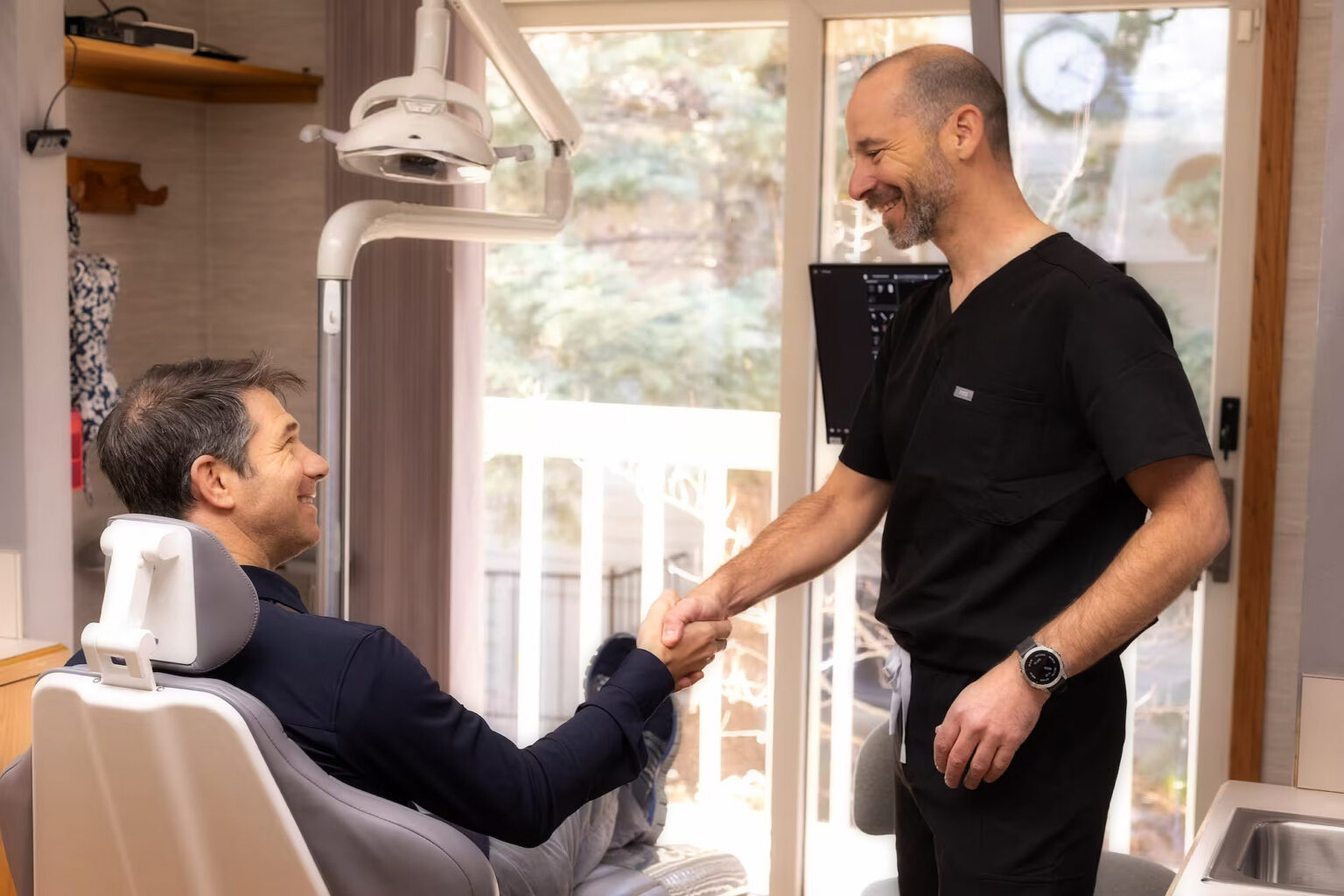
A healthy smile rarely comes down to luck. In practice, it is usually the result of ordinary habits done consistently, paired with timely care when something starts to drift off course. A general dentist sees that pattern every day. The patients who keep their teeth for life are not necessarily the ones with perfect genetics. More often, they are the ones who understand how small decisions, repeated over months and years, shape the condition of their teeth and gums.
That sounds simple, but daily life has a way of getting in the way. People rush through brushing before work, snack more often than they realize, ignore bleeding gums because nothing hurts, and put off appointments until a minor issue becomes expensive. Oral health tends to reward prevention and punish delay. A cavity that could have been handled with a small filling can turn into a root canal or extraction if it sits untouched long enough. Gum inflammation that starts with a little bleeding can become bone loss if it is allowed to settle in.
The good news is that strong teeth and healthy gums do not require extreme routines. They require good technique, a bit of discipline, and a realistic understanding of what matters most.
Start with the basics, but do them well
Most people know they should brush twice a day and floss regularly. The gap is not information. It is execution.
Brushing for two full minutes matters because plaque does not come off evenly. People tend to rush the inner surfaces of the lower front teeth and the cheek side of the upper molars. Those are common trouble spots. Technique matters just as much as timing. A soft bristle brush, angled gently at the gumline, does more good than a hard brush used aggressively. Scrubbing harder does not make teeth cleaner. It often leads to gum recession and worn enamel near the neck of the tooth, especially in adults who have been pressing too hard for years.
Electric toothbrushes help many patients because they reduce the guesswork. They are especially useful for people with braces, limited dexterity, or a habit of hurrying. But a manual brush can still do an excellent job if it is used carefully and consistently. I have seen beautifully healthy mouths maintained with basic brushes, and I have seen neglected mouths with premium devices sitting on the bathroom counter. The tool helps. The habit decides the outcome.
Flossing deserves the same honesty. Sliding floss quickly between the teeth and pulling it back out is not enough. The goal is to wrap it around the side of each tooth and clean just under the gumline. That is where plaque starts to irritate the tissue. For patients who dislike traditional floss, interdental brushes, floss picks, or water flossers can make the routine easier to stick with. The best method is often the one a person will actually use every day.
Your mouth responds to frequency more than occasional indulgence
One of the most common misunderstandings about cavities is the idea that sugar quantity is the whole story. Quantity matters, but frequency often matters more. Every time you eat or drink something sugary or starchy, the bacteria in plaque produce acid. That acid lowers the pH in the mouth and softens enamel for a period of time. If that happens all day, teeth do not get much chance to recover.
A patient who drinks one soda with lunch may be less likely to develop cavities than someone who sips a sweet coffee over three hours every morning. The same is true for sports drinks, candy mints, dried fruit, crackers, and frequent snacking. Foods that seem harmless can become a problem when they keep the mouth in a constant acid cycle.
That does not mean people need to eat perfectly. It means being strategic. If you want something sweet, having it with a meal is generally kinder to your teeth than grazing on it alone. Saliva production rises during meals, which helps neutralize acid and wash debris away. Drinking plain water after snacks also helps, especially when brushing is not practical.
For children, the pattern is often even more obvious. Juice in a sippy cup, fruit snacks between meals, and milk after brushing at General Dentist Aspenwood Dental Associates bedtime can quietly set up the conditions for early decay. Parents are often surprised because none of these choices feel extreme. The issue is not one dramatic mistake. It is repeated exposure.
Gum health deserves equal attention
Many people focus on cavities because they can picture a hole in a tooth. Gum disease is less visible in the early stages, so it is easier to ignore. That is a mistake. Healthy gums are the foundation of a healthy smile. Teeth can be free of cavities and still be at risk if the surrounding bone and tissue are inflamed.
Bleeding when brushing or flossing is one of the clearest warning signs, yet patients routinely dismiss it. Gums should not bleed from gentle cleaning. If they do, plaque is already irritating the tissue. At first, that problem may be reversible with improved home care and a professional cleaning. Left alone, it can progress into periodontitis, where the bone supporting the teeth begins to break down.
Bad breath that lingers, puffiness around the gums, tenderness, or teeth that seem longer than before can all point to gum problems. Smoking and vaping complicate the picture because they can mask bleeding while still contributing to tissue damage. Diabetes, hormonal changes, certain medications, and dry mouth also increase risk.
A good general dentist does not only look for cavities. They measure gum health, assess recession, evaluate home care patterns, and catch changes before they become severe. That broader perspective is part of why regular dental visits matter so much.
Dry mouth changes the rules
Saliva does more work than most people realize. It buffers acid, supplies minerals that help enamel recover, and reduces the time food particles stay in contact with teeth. When saliva flow drops, the risk of decay rises quickly.
Dry mouth is common in adults taking blood pressure medications, antidepressants, antihistamines, sleep aids, and several other prescription drugs. Mouth breathing, autoimmune conditions, radiation therapy, and dehydration can also contribute. Patients often describe a sticky feeling, trouble swallowing dry foods, or waking up with their tongue stuck to the roof of the mouth. Some only notice that they seem to be getting cavities despite brushing faithfully.
If dry mouth is part of the picture, the standard advice may need adjustment. Fluoride becomes more important. Sipping water regularly helps. Sugar free gum or lozenges can stimulate saliva if a person can chew safely. Alcohol based mouthwashes may worsen the dryness, so gentler alternatives are often better. In higher risk cases, a general dentist may recommend prescription strength fluoride toothpaste or more frequent cleanings.
This is one of those areas where personalized advice matters. Two patients can have very different levels of risk even if their brushing habits look similar on paper.
A few habits protect your smile more than people expect
Some of the strongest preventive wins are not dramatic, but they are surprisingly effective when done consistently.
- Brush twice a day for two minutes with a soft bristle brush and fluoride toothpaste.
- Clean between the teeth once a day with floss, interdental brushes, or a water flosser.
- Choose water more often, especially between meals and after acidic or sugary drinks.
- Wear a night guard or sports mouthguard if you grind your teeth or play contact sports.
- Keep regular dental visits, even when nothing feels wrong.
Each of these habits addresses a different kind of risk. Brushing disrupts plaque on exposed tooth surfaces. Interdental cleaning reaches the areas a toothbrush misses. Water helps reset the mouth after snacks and drinks. Mouthguards prevent damage that can happen in a single bad moment, whether that is a football collision or months of overnight clenching. Regular visits create a chance to catch what patients cannot see.
Acid wear is quieter than decay, but just as real
Not every damaged tooth has a cavity. Erosion, sometimes called acid wear, happens when acids dissolve the outer surface of the tooth directly. Citrus, carbonated drinks, wine, energy drinks, reflux, and frequent vomiting can all contribute.
The pattern is often subtle at first. Teeth may look smoother, more translucent near the edges, or slightly cupped on the chewing surfaces. People sometimes complain that cold drinks suddenly sting or that their front teeth seem thinner than they used to. Unlike decay caused mainly by plaque and bacteria, erosion can affect even people with otherwise good oral hygiene.
This is where timing matters. Brushing immediately after an acidic drink or after vomiting can make wear worse because the enamel is softened temporarily. Rinsing with water first, then waiting about 30 minutes before brushing, is usually the safer move. If reflux is involved, it is worth addressing medically, because dental repairs alone will not solve an ongoing acid problem.
I have seen patients in their thirties with more enamel wear than some people twice their age, often because of frequent sparkling water with citrus, all day lemon water, or unmanaged reflux. The teeth did not fail suddenly. They were being challenged a little at a time.
Teeth grinding is more common than many patients realize
Clenching and grinding, especially during sleep, can flatten teeth, chip edges, strain jaw joints, and create headaches or facial soreness. Some people know they grind because a partner hears General Dentist it. Many have no idea until a general dentist points out the wear patterns.
Stress plays a role, but it is not the only factor. Sleep disorders, bite patterns, and certain medications can contribute. The signs are easy to miss at home because the damage accumulates gradually. A patient may just notice increased sensitivity, a rough edge on a front tooth, or tightness in the jaw when waking up.
Night guards can be extremely effective when fitted properly. Over the counter versions offer some protection, but they are bulkier and often less comfortable. A custom guard made through a dental office usually fits better and is easier to use consistently. It will not necessarily stop the clenching impulse, but it can distribute forces and protect the teeth from direct wear.
This is a good example of preventive care saving both money and structure. Repairing chipped, shortened, or cracked teeth is far more involved than protecting them before damage sets in.
Dental visits are not just for cleanings
When patients feel fine, they sometimes assume a dental visit is optional. The difficulty is that many dental problems are quiet early on. Small cavities often do not hurt. Gum disease can progress with very little discomfort. Cracks can start as a faint line that only becomes obvious after a piece breaks off at dinner.
At a routine checkup, a general dentist is evaluating far more than plaque and tartar. They are checking for changes in the gums, tongue, cheeks, bite, restorations, jaw joints, bone levels, signs of oral cancer, and patterns of wear that suggest grinding or acid erosion. X rays help identify issues between teeth and below the surface, areas that cannot be judged reliably by sight alone.
How often someone should go depends on risk. For many adults, every six months is a reasonable schedule. Others need more frequent maintenance because of gum disease history, dry mouth, heavy tartar buildup, smoking, or high cavity risk. A blanket schedule does not fit everyone. Good care adjusts to the patient rather than forcing every patient into the same box.
Children, teens, and adults each need something slightly different
Smile care changes with age. Children often need close attention to brushing quality, snack frequency, and sealants on newly erupted molars. Their enamel is still vulnerable, and their routines depend heavily on adult supervision. A child who can tie shoes neatly may still not brush thoroughly enough without help.
Teenagers present a different challenge. Orthodontic appliances trap plaque, sports increase the need for mouthguards, and diet often includes frequent sweetened drinks. It is also the age when habits start to become independent. A teen who leaves home with strong routines is in a much better position than one who has relied on reminders for every step.
Adults tend to face wear, gum recession, stress related clenching, and the side effects of medications. Older adults may also deal with exposed root surfaces, which decay more easily than enamel, and dexterity issues that make flossing harder. That is why practical adaptations matter. A larger handled brush, interdental brushes, prescription fluoride, or more frequent hygiene visits can keep a manageable issue from turning into a serious one.
The point is not to make oral care complicated. It is to match the strategy to the stage of life.
What to do when something feels off
A lot of dental emergencies start as a symptom people hoped would disappear. Some do. Many do not. The better approach is to pay attention early.
- Tooth sensitivity that lasts more than a few days deserves a look, especially if it is getting stronger.
- Bleeding gums that continue despite improved brushing and flossing should be evaluated.
- A cracked tooth, chipped filling, or new rough edge can worsen quickly under chewing forces.
- Jaw pain, morning headaches, or facial tightness may point to grinding or joint strain.
- Swelling, pus, fever, or pain that wakes you at night should be treated promptly.
Pain is not the only signal that matters. Changes in function, texture, color, or comfort often show up first. Patients sometimes apologize for coming in over something small, but that is usually the right instinct. Dentistry is easiest when problems are still small.
The everyday goal is resilience, not perfection
Perfect oral habits do not exist. People travel, get sick, work late, raise children, and go through stressful seasons. A healthy smile is not built on guilt. It is built on resilience. If one day is messy, the next day matters. If someone has been off track for months, restarting still helps. Teeth and gums respond to what happens next.
The best advice a general dentist can give is usually practical rather than dramatic. Keep fluoride in the routine. Reduce all day sipping and grazing. Clean between the teeth. Respect bleeding gums. Protect teeth from grinding and impact. Show up for care before pain forces the issue.
Patients often want to know the single most important thing they can do. There is no magic trick, but there is a reliable formula: control plaque, limit repeated acid and sugar exposure, strengthen enamel with fluoride, and let a professional monitor what you cannot see. Done steadily, that is enough to keep many smiles healthy and strong for decades.
The mouth does not ask for perfection. It asks for consistency. Over time, that is what keeps a smile not only attractive, but functional, comfortable, and durable.
Aspenwood Dental Associates and Colorado Dental Implant Center
2900 S Peoria St Ste C, Aurora, CO 80014, United States
+1 303-731-4037
FAQ About General Dentist
How long do teeth fillings last in Aurora, CO?
Fillings can last for years, but they are not lifetime restorations. Their durability depends on the material, the size and location of the filling, chewing forces, and oral hygiene. A general dentist can examine a filling for wear, damage, or new decay and explain whether monitoring, repair, or replacement is appropriate. Age alone does not establish that a filling needs replacement.
How Can I Reduce Dental Anxiety?
Tell the dental team about your concerns when booking and again at your visit. Ask for an explanation of each step, agree on a signal for breaks, and consider slow breathing or headphones if the practice permits them. Discuss pain control and any sedation options with the dentist; suitability depends on your health, medicines, and planned treatment.
When should your child first see a dentist in Aurora?
Arrange the first dental visit within six months after the first tooth appears and no later than the first birthday. Early visits allow the dentist to assess development and discuss brushing, fluoride, feeding habits, and cavity prevention. Ask the practice whether it sees infants and how it handles referrals when a child needs specialist care.