General Dentist Aurora: Simple Habits for a Brighter Smile

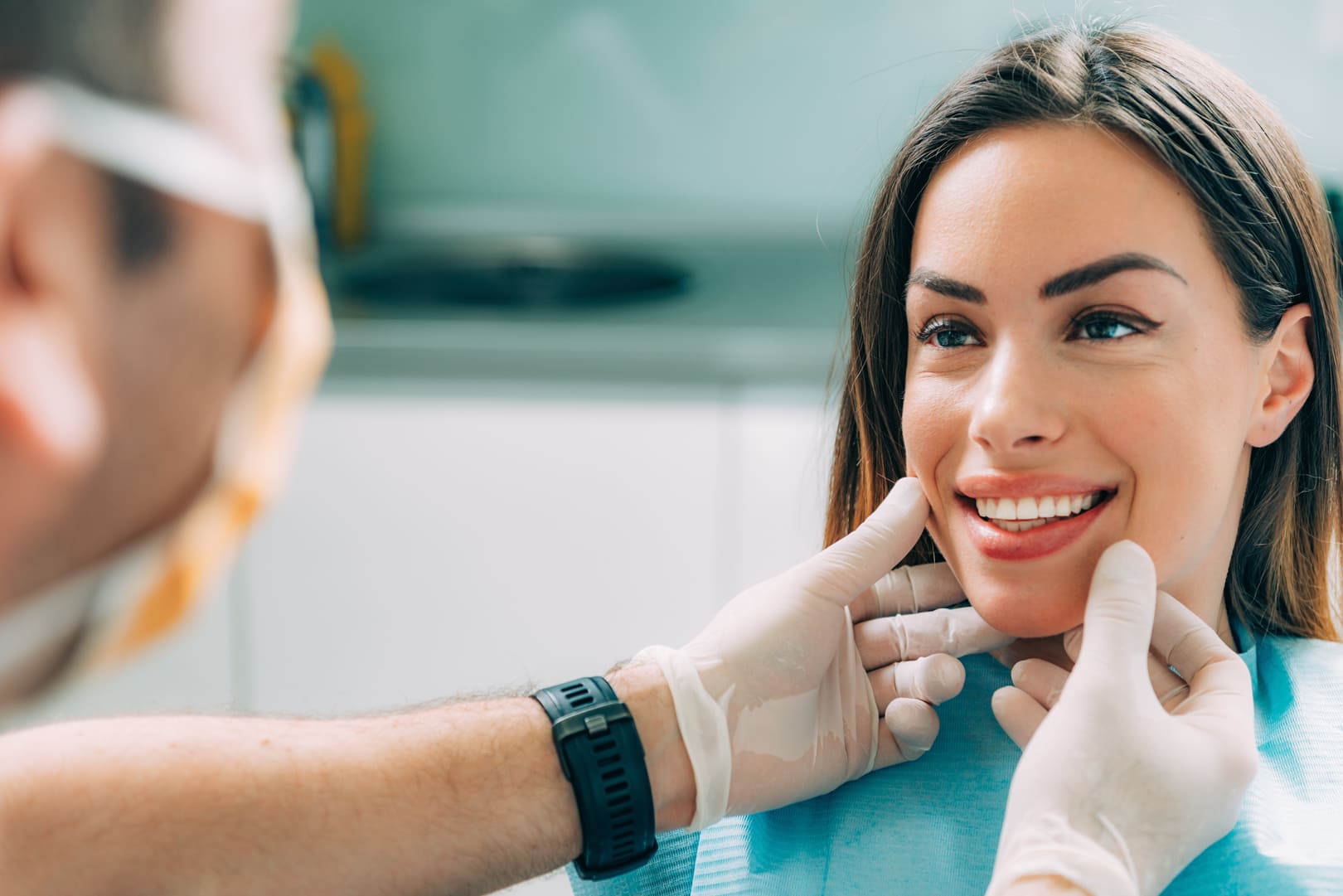

A brighter smile rarely comes from one dramatic fix. More often, it comes from small habits repeated so consistently that they stop feeling like effort. In a dental office, that pattern shows up every week. One patient spends a fortune on whitening but still drinks coffee all day and skips flossing. Another keeps a naturally bright smile for years with plain, disciplined home care and regular cleanings. The difference is usually not luck. It is routine.
If you are searching for practical advice from a General Dentist Aurora residents can trust, the good news is that most smile-brightening habits are simple, affordable, and realistic. They do not require a complete diet overhaul or a shelf full of specialty products. They require attention to the basics, better timing, and a few smart choices that protect enamel while keeping surface stains under control.
Bright teeth are not always perfectly white teeth. That distinction matters. Healthy enamel has a natural shade, and it varies from person to person. Some people have brighter-looking smiles because their teeth are free of plaque buildup and surface stains. Others have naturally darker dentin beneath the enamel, which changes how the teeth look even when they are perfectly healthy. The goal is not to chase an artificial color. The goal is to keep teeth clean, gums healthy, and enamel strong enough to reflect light well.
What actually dulls a smile
When patients say their teeth look “yellow,” they are often noticing one of three things: surface staining, plaque and tartar accumulation, or changes within the tooth itself. Surface stains come from coffee, tea, red wine, cola, curry, berries, tobacco, and even some mouth rinses used over a long period. Plaque adds a film that makes teeth look less polished. Once plaque hardens into tartar, brushing alone cannot remove it, and the smile loses some of its brightness.
Then there are intrinsic changes, which happen inside the tooth. Aging plays a role because enamel tends to thin over time, allowing the darker dentin underneath to show through more clearly. Certain medications, past trauma, and developmental factors can also change tooth color. That is why two people can follow the same oral care routine and still end up with different shades.
This is where good dental judgment matters. Not every smile that looks dull needs whitening. Sometimes the most effective first step is a professional cleaning. I have seen teeth appear several shades brighter after tartar and stain are removed, with no whitening gel involved. That is often a welcome surprise for patients who assumed they needed a bigger intervention.
The daily habits that make the biggest difference
Bright smiles are built on ordinary decisions made twice a day and sometimes after lunch. A consistent home care routine will not make heavily stained teeth look instantly white, but it does create the conditions for a healthier, cleaner, brighter appearance over time.
The first habit is brushing thoroughly, not aggressively. This distinction gets missed all the time. Many adults still assume hard scrubbing cleans better. In reality, it can wear enamel, irritate the gums, and create sensitivity, all while doing a mediocre job at the gumline. A soft-bristled brush, used for two full minutes, is usually enough when technique is sound. Electric toothbrushes can help people who rush or apply uneven pressure, but a manual brush works well too when used properly.
The second habit is flossing or cleaning between the teeth every day. Brightness is not just about the front surfaces. Plaque and food debris collect between teeth and near the gums, where they create shadows, inflammation, and odor. Once the gums become puffy or irritated, the whole smile looks less healthy. Patients often notice a fresher, cleaner look within a couple of weeks of consistent interdental cleaning, even before a dentist points out the improvement.
The third habit is using fluoride toothpaste. That does more than protect against cavities. Strong enamel reflects light better than weakened enamel. Fluoride helps remineralize early weak spots, which supports both health and appearance. Whitening toothpaste can help with minor surface stains, but it should be chosen carefully. Some are useful. Others are too abrasive for daily use, especially in people with recession or sensitivity.
The fourth habit is rinsing with water after meals and drinks that stain. This is one of the simplest tricks and one of the most effective. You do not need to brush every time you drink coffee. In fact, brushing too soon after acidic drinks can be hard on softened enamel. A quick water rinse reduces pigment contact and helps normalize the mouth.
The fifth habit is paying attention to timing. If you have orange juice at breakfast or sparkling water with lemon during the day, wait a bit before brushing. A window of around 30 minutes is a reasonable rule of thumb after acidic foods or drinks. That pause gives saliva time to buffer acids and helps protect enamel from unnecessary wear.
A few small changes that patients notice quickly
Some advice sounds good but fails in real life because it asks too much. The habits below tend to stick because they are manageable.
- Brush for two minutes, twice a day, with a soft brush and fluoride toothpaste.
- Clean between the teeth once a day, using floss, picks, or a water flosser if that helps you stay consistent.
- Rinse with plain water after coffee, tea, red wine, or deeply colored foods.
- Limit long sipping sessions with sugary or acidic drinks.
- Replace your toothbrush or brush head every three months, or sooner if the bristles flare.
That last point deserves more respect than it gets. Worn bristles do a poor job of reaching the gumline and tend to spread pressure unevenly. If your brush looks flattened after a few weeks, you are likely brushing too hard.
Why the gums matter as much as the teeth
A bright smile is not only about tooth color. Healthy gums frame the teeth and change how the whole smile reads. Red, swollen gums can make even recently whitened teeth look less attractive. Bleeding during brushing or flossing is also not something to ignore. People often think bleeding means they should avoid the area. Usually, the opposite is true. Bleeding is commonly a sign of inflammation caused by plaque, and gentle, thorough cleaning is part of the solution.
When gums are healthy, they sit more snugly around the teeth and create a cleaner outline. The teeth look smoother and more defined. When gums are inflamed, the puffiness changes those lines and can trap even more plaque. This is why a General Dentist Aurora patients see regularly will often talk about gum health before discussing whitening options. It is not sidestepping the cosmetic concern. It is addressing the foundation.
There is also a practical point here. If someone whitens teeth while ignoring active gum irritation, the whitening process can feel more uncomfortable. Sensitive, inflamed tissue does not tolerate bleaching agents well. Getting the gums healthy first tends to make any future whitening more predictable and more comfortable.
Food, drink, and the reality of staining
Most adults are not going to give up coffee forever, and there is no reason to pretend otherwise. Good dental advice has to fit real routines. What matters more than total elimination is frequency, exposure time, and follow-up habits.
A single cup of coffee with breakfast is not the same as sipping it for four hours at a desk. The longer pigments and acids stay in contact with the teeth, the more opportunity they have to stain and soften the enamel surface. The same principle applies to iced tea, sports drinks, and wine. A drink consumed with a meal is usually easier on the teeth than the same drink stretched across an afternoon.
Straws can help in some cases, especially with cold drinks that stain. They are not a cure-all, but they reduce direct contact with the front teeth. Water between sips helps too. Cheese, nuts, and crunchy vegetables can be useful at the end of a meal because they stimulate saliva and leave the mouth feeling cleaner, though they are not a substitute for brushing.
Smoking and vaping deserve separate mention. Traditional tobacco is strongly linked with stubborn staining, gum disease, and delayed healing. Vaping may not stain in quite the same obvious way for every user, but dry mouth and tissue irritation are still concerns. A mouth that stays dry does not cleanse itself efficiently, and that often shows up in both oral health and appearance.
Whitening products, what helps and what disappoints
The whitening aisle can be misleading. Packaging is built around optimism, but teeth are not all starting from the same place. Some products are reasonable for mild surface stains. Others promise changes they cannot realistically deliver.
Whitening toothpaste works mainly by polishing away some external stain. It can help maintain brightness after a cleaning or professional whitening, but it usually does not change the underlying color of the tooth in a dramatic way. Whitening strips can be effective for many people with healthy teeth and gums, especially if the discoloration is mild to moderate and fairly even. The downside is that they may not adapt well to crowded teeth, and sensitivity is common if they are overused.
Custom trays from a dental office often give more predictable results because they fit properly, keep the gel where it belongs, and allow the dentist to guide timing and strength. In-office whitening can deliver faster visible results, but it is not automatically the best option for everyone. People with untreated decay, exposed roots, significant sensitivity, or dental restorations on the front teeth need a more tailored plan. Crowns and fillings do not whiten the way natural teeth do, which can create mismatched shades if no one plans ahead.
This is one of those areas where experience matters. The brightest possible shade is not always the best-looking one. Overly white teeth can draw attention for the wrong reason, especially if the rest of the smile, including the gums and restorations, does not match. A skilled dentist aims for a result that looks clean, healthy, and believable.
Cleanings are not cosmetic extras
Routine cleanings are often treated like optional maintenance until someone sees the before-and-after. Even patients who brush faithfully miss areas, especially behind the lower front teeth and around the upper molars. Tartar tends to build where saliva ducts empty, and once it hardens, home care cannot remove it.
A professional cleaning does several things at once. It removes tartar, lifts external stains, disrupts plaque in hard-to-reach areas, and gives the dental team a chance to catch problems early. Small cavities, worn spots, clenching damage, and gum inflammation are all easier to manage when found early. That matters for appearance as much as comfort. A chipped edge or darkening tooth can sometimes be addressed simply if caught early, but it gets more complicated when ignored.
Patients are often surprised by how much smoother their teeth feel after a cleaning. That smoothness is not just cosmetic. It makes it harder for plaque to cling as quickly, which supports better home care over the next few weeks. For many people, this is the point where their smile starts looking brighter again without any additional treatment.
The role of saliva, dry mouth, and medications
Saliva does a quiet but important job. It helps wash away food particles, neutralize acids, and support remineralization. When saliva flow drops, teeth tend to collect debris more easily, acids linger longer, and the mouth often feels coated. That can make teeth look dull and raise the risk of decay at the same time.
Dry mouth is common in adults who take medications for blood pressure, allergies, anxiety, depression, sleep, and many other conditions. It is also common during stress, with mouth breathing, and in certain medical conditions. People with dry mouth often say, “I brush all the time, but my teeth still don’t feel clean.” That complaint is worth taking seriously.
If this sounds familiar, bring it up at your dental visit. Sometimes simple changes help: more water, sugar-free gum with xylitol, alcohol-free mouth rinse, or a prescription-strength fluoride product if aspenwooddental.com General Dentist Aurora the risk is high. The answer is not always more brushing. Sometimes it is moisture management and enamel support.
When brighter is not the same as healthier
A polished appearance can hide problems if people focus on color alone. It is possible to have white-looking teeth with active gum disease, enamel erosion, cavities between the teeth, or fractures from grinding. That is why cosmetic goals should never replace a proper exam.
There is also the issue of overdoing it. Some patients use whitening products too often because they become desensitized to the change and keep chasing a brighter shade. The result can be increased sensitivity, irritated gums, and disappointment. Teeth do have a limit to how much visible change they can show, especially if the deeper tooth structure is naturally darker. Good dentistry includes knowing when to stop.
If someone has gray, brown, or patchy discoloration from trauma or developmental causes, whitening may offer only partial improvement. In those cases, bonding, contouring, or selective restorative treatment may provide a better result. A thoughtful plan weighs longevity, cost, appearance, and the amount of natural tooth structure preserved.
Habits for children, teens, and busy adults
Oral care advice should change with the person. Children often need supervision more than motivation. Teenagers may understand the basics but struggle with consistency, especially if they have braces or clear aligners. Adults usually know what to do but underestimate how much their routines have slipped.
For children, the practical target is steady brushing with a fluoride toothpaste amount appropriate for age, limited grazing on sticky snacks, and regular dental visits that feel ordinary rather than stressful. For teens, sports drinks, energy drinks, and inconsistent sleep can create a perfect storm of dry mouth and staining. Aligner patients, in particular, do best when they stop sipping sweetened drinks while trays are in. The trays keep those liquids close to the enamel longer than most people realize.
Busy adults benefit from simplification. Keep floss picks where you will use them. Carry a travel brush if lunch tends to linger on the teeth. If coffee is part of the morning, drink water alongside it. Habits that work in theory but require perfect discipline often fail. The best routine is one you can maintain on your worst Tuesday, not just on a calm Sunday.
When to ask a dentist instead of guessing
There are times when a dull or changing smile deserves more than better brushing. Schedule an evaluation if you notice a single tooth darkening, persistent sensitivity, bleeding gums that do not improve, chronic bad breath, white chalky spots, or staining that seems to return quickly after cleaning. These signs can point to issues that home care will not fix on its own.
A General Dentist Aurora families rely on will usually look at the whole picture: oral hygiene habits, diet, medications, enamel wear, restorations, bite forces, and gum health. That broader view matters because a bright smile is not created in isolation. It sits on top of everything else going on in the mouth.
One of the more useful conversations in dentistry is also one of the simplest: “What is realistic for my teeth?” That question opens the door to practical advice instead of marketing promises. For some people, the answer is a cleaning, improved flossing, and less all-day coffee. For others, it is a custom whitening plan after treating sensitivity. And for a smaller group, it may involve restorative work because the issue is not stain at all.
A brighter smile is usually a byproduct of better care
The healthiest smiles rarely look forced. They look clean, well-kept, and comfortable. There is a certain ease to them. That comes from habits more than heroics. Thorough brushing, daily cleaning between the teeth, water after staining drinks, smart timing around acids, and regular professional care do more for long-term brightness than any trend that promises instant change.
That may sound almost too simple, but simple routines are usually the ones that hold up. They protect enamel, support the gums, and keep stains from building into something harder to reverse. They also make any cosmetic treatment work better if you choose to pursue one later.
For patients who want practical guidance, the best starting point is often not a stronger whitener. It is a better baseline. Once the teeth and gums are healthy, brightness becomes easier to achieve and easier to keep. That is the kind of smile that lasts, and it is exactly where a good general dental practice can make the biggest difference.
Aspenwood Dental Associates and Colorado Dental Implant Center
Address: 2900 S Peoria St Ste C, Aurora, CO 80014
Phone number: +13037314037
FAQ About General Dentist Aurora
What is meant by general dentistry?
General dentistry refers to the primary, foundational tier of oral healthcare, focused on the prevention, diagnosis, and treatment of conditions affecting the teeth, gums, and jaw. General dentists serve as a patient's main, long-term dental care provider—much like a primary care physician.
What is general dentistry and orthodontics?
General dentistry and orthodontics are two specialized branches of dental care. General dentistry serves as your primary care for overall oral health, focusing on routine cleanings, fillings, and disease prevention. Orthodontics is a specialized field focused entirely on diagnosing and correcting misaligned teeth and jaw structures using braces or clear aligners.
What are type 3 dental services?
Type 3 dental services typically include major restorative treatments that repair or replace damaged or missing teeth. These services are more complex and costly than preventive or basic dental care. Common examples of type 3 dental services include: Dental crowns.